Production Cost Calculator
Enter labor, raw materials, electricity, machinery, and overhead costs to instantly calculate cost per unit, gross margin, break-even point, and a full cost breakdown by category.
Free Tool · Cost Per Unit · Margin · Break-Even · Cost BreakdownLeave as 0 to skip margin calculation. Enter your target or actual selling price to see gross margin % and markup %.
Typical burden rate: 15–30% of wages. Covers payroll taxes, health insurance, and retirement. Use 0 if wages already include all costs.
Enter up to 5 material lines. For each: name, quantity used per run, and cost per unit of that material.
Asset cost ÷ useful life (runs). E.g. $48,000 machine ÷ 600 runs = $80/run.
Avg. repair, spare parts, and servicing cost per run.
Supervisors, QC, cleaners
Packaging, consumables, etc.
Enter costs
then hit Calculate
How Production Cost Per Unit Is Calculated
Total Manufacturing Cost (TMC) is the sum of three components: Direct Materials (raw inputs that become part of the product), Direct Labor (wages of workers directly on the production line, including burden), and Manufacturing Overhead (electricity, machinery, rent, and indirect labor that support but don't directly become the product). Divide TMC by units produced to get cost per unit — the number that drives every pricing and profitability decision.
1 Direct Labor
Multiply workers × hourly wage × hours worked per run. Then add the labor burden rate (typically 15–30%) for payroll taxes, insurance, and benefits. This is the true cost of employing production staff.
2 Raw Materials
For each input material, multiply the quantity used per production run by its unit cost. Sum all material lines. Include direct materials only — items that physically become part of the finished product.
3 Overhead
Overhead includes electricity (kWh × rate), machinery depreciation (asset cost ÷ useful life in runs), maintenance, factory rent allocated per run, indirect labor (supervisors, QC), and consumables.
4 Cost Per Unit
Add all three components for Total Manufacturing Cost (TMC). Divide by units produced for cost per unit. Compare to selling price for gross margin. Fixed cost per unit decreases as production volume increases.
Not all production costs move with volume. Variable costs (raw materials, direct labor by hours, electricity) rise proportionally with units produced. Fixed costs (rent, machinery depreciation, salaried indirect labor) stay constant regardless of how many units you make. This distinction matters hugely: if you double production volume, your fixed cost per unit is halved — which is the core economic case for scaling up. Track both separately to understand your break-even point and your contribution margin (selling price minus variable cost per unit).
Example Calculations — 3 Production Scenarios
These worked examples cover three common manufacturing situations across different industries and scales.
Margin: 56% · Break-even: 288 units
Margin: 55% · Break-even: 938 units
Margin: 67% · Break-even: 4,419 units
Frequently Asked Questions
Related Manufacturing Tools
Top Picks for CNC Router Tooling
Professional-grade carbide tools ready to ship. Click any product to view details and pricing.

15-Piece Router Bit Set
Multi-size starter kit with carrying case
View on Alibaba →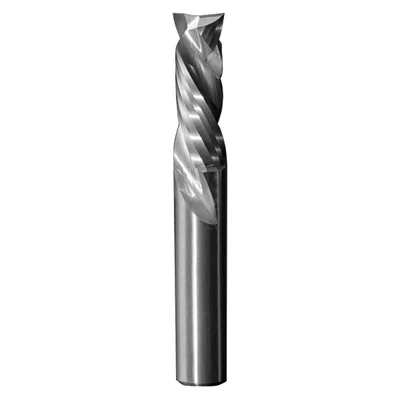
Compression Spiral Bits
Clean edges on plywood & MDF
View on Alibaba →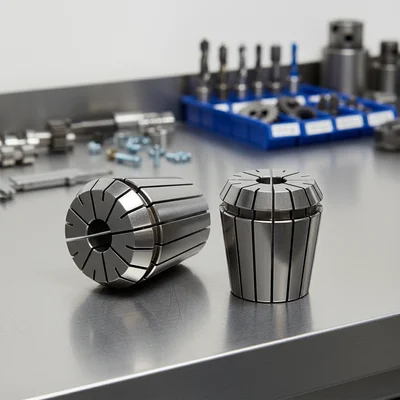
ER Collet Set
Precision holding, zero runout
View on Alibaba →As an Alibaba affiliate partner, we earn from qualifying purchases at no cost to you.